
Every parent wants to see their child grow up healthy and strong. One of the best ways to ensure this is through childhood immunizations. Vaccines are a safe, proven shield against some of the most dangerous diseases.
The world we live in today enjoys the luxury of forgetting the grim realities of diseases like measles, polio, and whooping cough. Unlike previous generations who faced the constant threat of outbreaks, many of these diseases are now rare in countries with high vaccination rates.
Childhood immunizations aren’t just about individual protection; they play a crucial role in safeguarding communities. High vaccination rates create a protective barrier, known as herd immunity, that shields those who cannot be vaccinated due to medical reasons.
As myths and misinformation about vaccines spread, it’s vital to separate fact from fiction. Understanding and appreciating the significance of immunizations can prevent a resurgence of preventable diseases. In the following sections, we’ll explore the benefits of vaccines, address common concerns, and highlight why staying on schedule with childhood immunizations is essential.
Why Childhood Immunizations Are Important
Childhood immunizations are a cornerstone of public health. They help prevent the spread of infectious diseases that can cause serious health complications or even death. Vaccines work by stimulating the immune system to recognize and fight pathogens, providing long-lasting protection without causing the disease itself.
Getting children vaccinated on schedule means they are protected at a time when they are most vulnerable. Young immune systems are not as strong or experienced in fighting infections, making timely vaccinations critical.
Beyond individual benefits, childhood immunizations are vital for preserving public health. The concept of herd immunity protects those who are unable to receive vaccines, such as infants, pregnant women, or individuals with certain medical conditions. When enough people are vaccinated, the spread of disease is significantly reduced, keeping entire communities safe.
Vaccines also help reduce healthcare costs. By preventing disease outbreaks, they decrease the need for medical treatments, hospitalizations, and extended time off work or school for families dealing with illness.
Ultimately, investing in childhood immunizations fosters healthier communities and reduces the burden of preventable diseases. It’s a proactive step that can have a profound impact on a child’s health and the well-being of society as a whole.
Common Misconceptions About Childhood Immunizations
Despite the proven benefits of vaccinations, misconceptions persist. One common myth is that vaccines cause the diseases they’re meant to prevent. In reality, vaccines contain inactive or weakened parts of the virus or bacteria, making it impossible for them to cause the disease.
Another widespread fear is that vaccines overwhelm a child’s immune system. However, children are exposed to countless microbes daily, and vaccines only represent a tiny fraction of this exposure. The immune system is fully equipped to handle the additional stimulation from vaccines.
The idea that vaccines contain harmful chemicals is also a myth. While vaccines do contain ingredients like preservatives or stabilizers, these substances are present in safe, regulated amounts.
Concerns about the link between vaccines and autism have been thoroughly debunked by scientific studies. The initial study that suggested this link has been retracted, and subsequent research has found no connection.
Understanding the facts about childhood immunizations helps dispel these myths. Access to accurate information allows parents to make informed decisions, ensuring their children and communities are protected against preventable diseases. Education and dialogue are key in overcoming misconceptions and fostering trust in vaccine programs.
The Impact of Childhood Immunizations on Public Health
Childhood immunizations play a pivotal role in maintaining and improving public health. By preventing the spread of infectious diseases, vaccines have significantly reduced the incidence of illnesses that once claimed countless lives and overwhelmed healthcare systems.
Immunization programs have led to the near-eradication of diseases such as polio and measles in many parts of the world. These successes highlight the power of vaccines to transform public health landscapes, contributing to longer life expectancies and improved quality of life.
Another significant impact is the reduction in healthcare costs. Preventing diseases through vaccination means fewer hospital stays, less need for medication, and reduced absenteeism from work and school. This economic benefit extends beyond individual families to national healthcare systems.
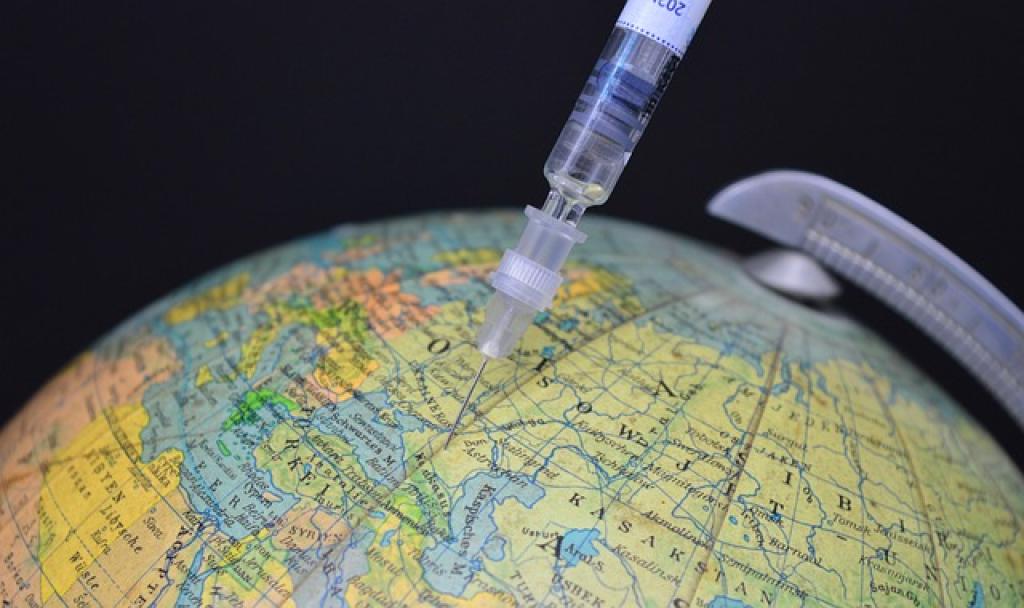
Vaccination also supports global health initiatives, helping to contain diseases that do not respect borders. Collaborative efforts in immunization campaigns can prevent outbreaks that have the potential to become pandemics, thus reinforcing international health security.
The broad-reaching effects of childhood immunizations underscore their importance in fostering healthier societies. Investing in vaccine programs is not just a local concern but a global priority, ensuring safety and well-being for future generations.
How Parents Can Ensure Their Child’s Immunization Schedule is Up-to-Date
Keeping track of a child’s immunization schedule can seem daunting, but staying organized and informed can make the process straightforward. First, consult your pediatrician or healthcare provider to get a clear schedule tailored to your child’s needs. They can provide an immunization record, which is crucial for tracking your child’s vaccinations.
Make use of digital tools and apps that send reminders for upcoming vaccinations. These resources can help busy parents ensure that appointments are not missed and that immunizations are given on time.
It’s also essential to maintain clear communication with your child’s school or daycare. Many institutions have specific immunization requirements, and staying informed about these can help avoid any last-minute stress or surprises.
Don’t hesitate to ask questions during medical appointments to understand the purpose and benefits of each vaccine. Staying informed empowers parents to make confident decisions about their child’s health.
Lastly, maintain an updated record of your child’s immunizations in a safe place, both physically and digitally. This ensures that you can easily access this information when needed for school enrollment or travel. Keeping your child’s immunizations up-to-date is a proactive step towards protecting their health and contributing to community well-being.
The Bottom Line: Importance of Childhood Immunizations
Childhood immunizations are more than just a personal health decision; they are a community safeguard. By vaccinating our children, we protect not only them but also those around us, nurturing a healthier society for everyone. The benefits are vast and undeniable, stretching far beyond individual health to encompass economic savings and global well-being.
As we have explored, vaccines have dramatically reduced the prevalence of diseases that once threatened entire populations. They have saved countless lives and continue to be a critical tool in the fight against infectious diseases. By adhering to recommended immunization schedules, parents can ensure their children are armed with the best possible defense against preventable diseases.
Despite misconceptions that may arise, the overwhelming body of scientific evidence supports the safety and efficacy of vaccines. Open dialogue and education are key to dispelling myths and fostering informed decisions.
Keeping track of immunizations may seem challenging, but with the help of healthcare providers and digital tools, parents can easily stay on top of their child’s vaccination schedule. This proactive approach is a testament to the care and responsibility we hold for our loved ones and our communities.
In conclusion, childhood immunizations are a critical component for maintaining public health, securing a safer environment for current and future generations. By prioritizing vaccines, we are investing in a healthier, more resilient world for our children, and that is a legacy worth leaving.


